Jobs for July
Perennials, Shrubs and Trees
Pruning and Tidying
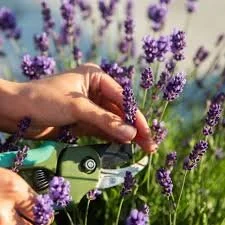
Prune lavender.
Divide iris – do this every few years to rejuvenate stock and keep it healthy.
Tidy perennials. Geraniums such as G. psilostemon and 'Johnson’s Blue’, have finished flowering and their foliage may look messy. Cut back to ground. Feed (try poultry manure pellets), mulch and water well. New foliage will grow.
Prune wisteria – if your plant has filled its allotted space, prune back the long whippy shoots. Take them to within approximately 8in (20cm) of the main branch. You’ll need to do a further round of pruning in January.

Fruit
Lift and divide rhubarb plants. Discard old clump centres and replant divided outer growth.
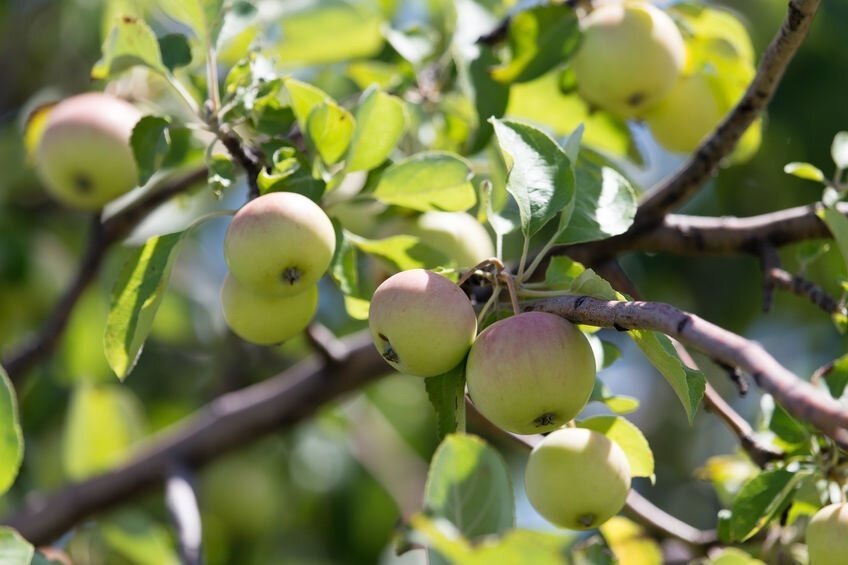
Thin fruit trees – fruit trees bearing heavy crops need to have their fruit thinned to get a quality crop. Apples, pears and, to a lesser extent, plums do this naturally in June (the June drop). Inspect your trees and remove any excess fruit. On plums there should be one every couple of inches. For eating apples, aim for a fruit every 4-6in. For larger cooking apples there should be one fruit every 6-9in. This spacing allows the fruit to swell, prevents overlap (and hence rot) and, with brittle varieties such as Victoria Plum, lightens the load on the branch.
Prune out raspberry canes to prevent congestion and take out any that are popping up away from the main row. Tie the new canes on to support wires and ensure the area is weed-free and well watered in dry spells.
Prune plum trees – do it now in midsummer to avoid the risk of silver leaf disease and canker. These can gain entry through wounds when the tree is dormant so, with plums, don’t do the more usual winter tree pruning. Keep pinching out unwanted shoots during the growing season.
Propagate strawberries. Use runners – the long stems sent out by strawberry plants – to propagate new plants.
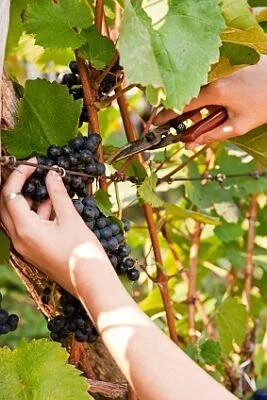
Prune vines. Dessert and wine grapes need their shoots cut back to within two leaves of the last bunch of fruit. The plant’s energy needs to be directed into the developing fruit, not into growing like a triffid. Pinching back also allows light and air to reach the bunches.
Flower Garden
Sowing and Growing
Pinch out annuals -almost all flowering annuals (e.g. zinnias, antirrhinums, cleomes, cosmos and sunflowers, as well as pot plants such as fuchsias) need pinching out. Remove the tip of main flowering shoots to encourage them to bush out
Start taking cuttings of tender perennials such as salvias, pelargoniums and penstemons.
Clear the earlier-flowering biennials such as sweet william and sweet rocket, which are over now with seed pods starting to brown. Plant the last of the half-hardy annuals in their place – cosmos, nicotianas, zinnias and cleomes– for flowers into the middle of autumn.
Thin biennials
Bulbs and Tubers
Do your last fortnightly plantings of gladioli – and their cousin acidanthera – for flowers through the autumn.
Vegetable Garden
Vegetables
Pinch off the growing tips of squash and courgette to encourage branching, and water regularly.
Sow Kales 'Redbor', 'Rouge de Russie' and 'Nero di Toscana'. Sow lettuce at the same time for intercropping, so you waste no space in the veg garden. 'Reine De Glace' and 'Black Seeded Simpson' are ideal, harvested and eaten before the brassicas fill the space between the plants. Or go for radish, your last batch of carrots, or beetroot.
Keep pinching out side shoots of cordon varieties of tomato and make sure the tops are pinched, even of cherry varieties, by this stage of the year. They should all be fruiting well now, so they’ll need a feed once a week, and in the hot weather, water every morning so that they stay consistently moist.
Apply a high-potash fertiliser such as comfrey once fruits start to form on peppers, cucumber and tomatoes.
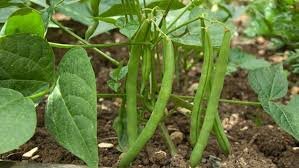
Last sowing of French beans.
Plant out purple sprouting broccoli and winter leeks.
Sow your autumn and winter Swiss chard towards the end of the month.
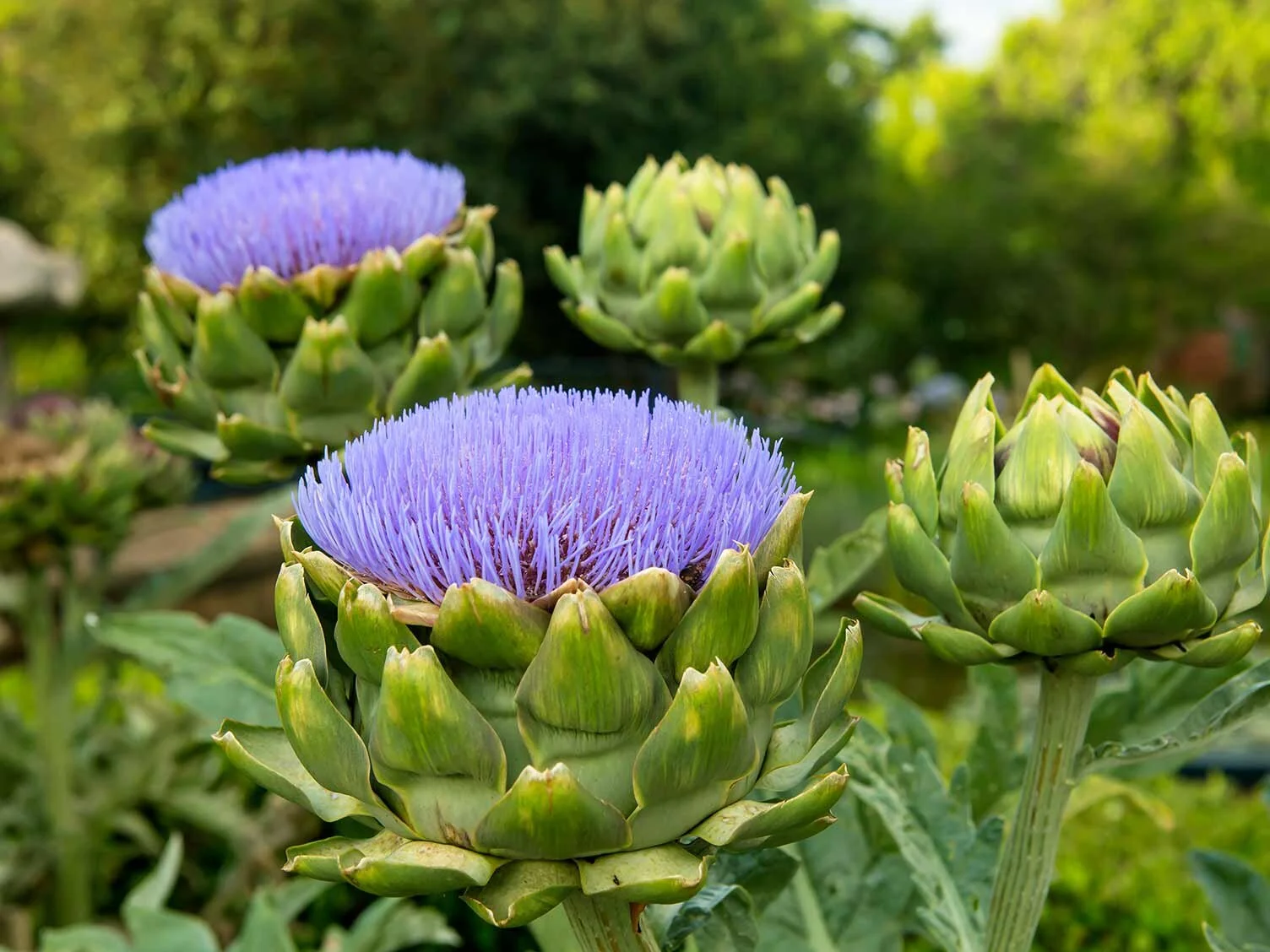
Harvest and eat the last remaining globe artichokes, or pick the large thistle flowers for an arrangement, then cut the plants to the ground, leaves and all. Water and give an all-purpose feed, or top-dress with farmyard manure. The foliage will be back very quickly and you’ll get a second crop of edible buds and flowers in about six weeks. If you grow different varieties (e.g. 'Violetta’, 'Green Globe’, 'Gros Vert de Laon’) that crop at slightly different times (and so are cut down in succession), you can eat artichokes from early June until October.
Salad and Herbs
Harvest herbs for drying.
Direct sow a pack of basil in a sheltered sunny spot into fine consistency soil, spacing seeds about 2½in (6cm) apart. Water in well, then thin to 1ft (30cm) when seedlings reach 1-1½in (3-4cm). Water twice a week in the morning, not at night. Once plants have reached about 8in (20cm), harvest by removing the top of a stem, cutting to just above a pair of leaves. Stems quickly regrow, so harvest repeatedly.
Perennial herbs, such as chives, lovage, sorrel, fennel and marjoram, benefit from a second severe haircut now. It’s best to reduce them to the ground in late May or early June and then do the same again about now. They’ll be up again in a couple of weeks with fresh, tasty leaves.