Jobs for January
It's nice to start the new year in the garden and you'll find there's plenty to be done in early January, from herb sowing to tidying and mending. Why not get started straight away to prepare the garden for the year ahead.
Vegetable Garden
Start thinking about all the veg you'd like to grow this year making a must-have list of the things that you know taste better home grown and that you will look forward to eating.
Sow Swiss chard under cover. You won’t regret it; once you get used to having this in your garden, you’ll wonder how you survived without it. You can use the stalks and the leaves, and it's brilliant for risotto, gratins, stir fries and soups.
Place netting over brassicas to protect them from pigeons.
Pick off yellowing leaves from the stems of Brussels sprouts.
Sow leeks, onions, broad beans, hardy peas, spinach and carrots under cover.
Use cloches or clear plastic to warm the soil for early sowings.
Buy seed potatoes - Discover is the Which Best Buy new potatoes and potatoes for roasting.
Other Jobs
Sweep your paths of leaves and debris. This will keep them from being slippery and dangerous and will make sure it doesn’t provide a lovely home for slugs and snails.
Make a chicken wire cage for the leaves – tucked out the way – so they rot down to fantastic leaf mould in about a year.
Protect container plants from freezing spells and insulate outside taps.
Water plants and bulbs in containers if they are sheltered from the rain by their position.
Now's a good time to have a look at your fences and structures – do they need a bit of TLC? You can fix fences with bits of wire or if any of your trellises have been damaged by snow, knock in a few more nails to keep them sturdy and ready for new growth.
Does your lawnmower need a service? Get it in now, before the rush.
Protect plants that are vulnerable to wind and cold.
Keep off the grass if it is frozen or frosted, as the damage from your feet may show up as yellow patches later in the spring.
You may have a problem (later in spring/summer) with grass dying off on the edge of your lawn as rampant growth from the flower beds creeps ever outward. Now is a good time to add a path or hard edge to keep control and make mowing easier.
Flower Garden
If you haven't already sown your sweet peas, you can do this now under cover. Sown now, they'll give you earlier flowers in greater numbers and a longer season. All legumes, these included, thrive with a long root run, so deep pots or root trainers are ideal. Water the compost and then push a pair of seeds in to about an inch below the surface. Cover with newspaper to keep moisture and warmth in and light out. Some heat will speed up germination, but is not essential. They'll germinate in about 10 days. Watch out for mice, they love them!
Other flowers to sow now are Iceland poppies, cobaeas and cleomes. Cleomes are tricky for beginners, so follow the instructions carefully – and be patient, as they can take a long time to germinate.
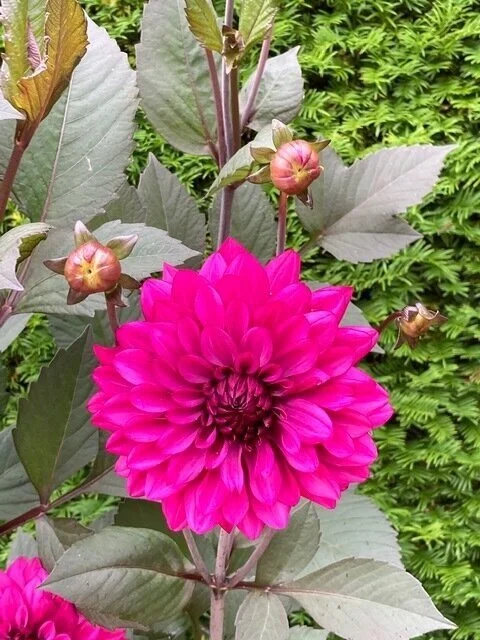
Check your stored dahlias periodically for signs of disease or rot. Any that show signs should be removed from the rest to prevent it spreading. Any individual tubers infected can be cut from the main crown of the plant and the cut area dusted with flowers of sulphur.
Fruit Garden
If it's not too frosty, you can plant fruit bushes and trees now too
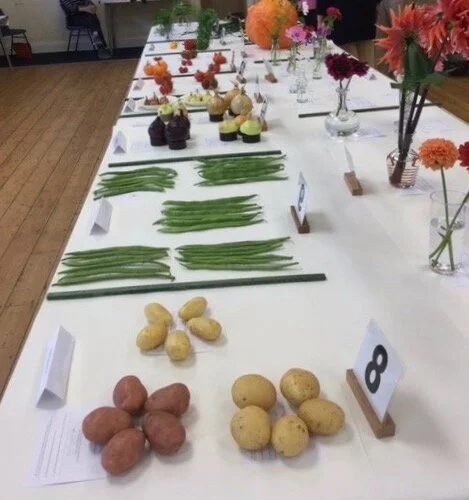
Winter-pruning of apples and pears varies according to the variety you are growing, but always start with the ‘three Ds’ – remove all dead, diseased or damaged wood.
Cut down canes of autumn-fruiting raspberries to soil level.
Established blackcurrants should be pruned now: take out a third of two year, or older, wood down to the base. Mature redcurrants and whitecurrants can have their side shoots shortened to one bud, and the tip of the main branch pruned.
Gooseberries tend to become congested in the centre, so remove unproductive branches and keep bush open.
Cover rhubarb plants with forcers as soon as they show signs of growth. This will encourage early and very tender stems.