
Jobs for December
The Flower Garden
Check summer-flowering bulbs and tubers that are being stored over winter. If any show signs of mould or rot, remove the affected one or separate to prevent it spreading.
Bring forced bulbs into a warm room to encourage them to flower.
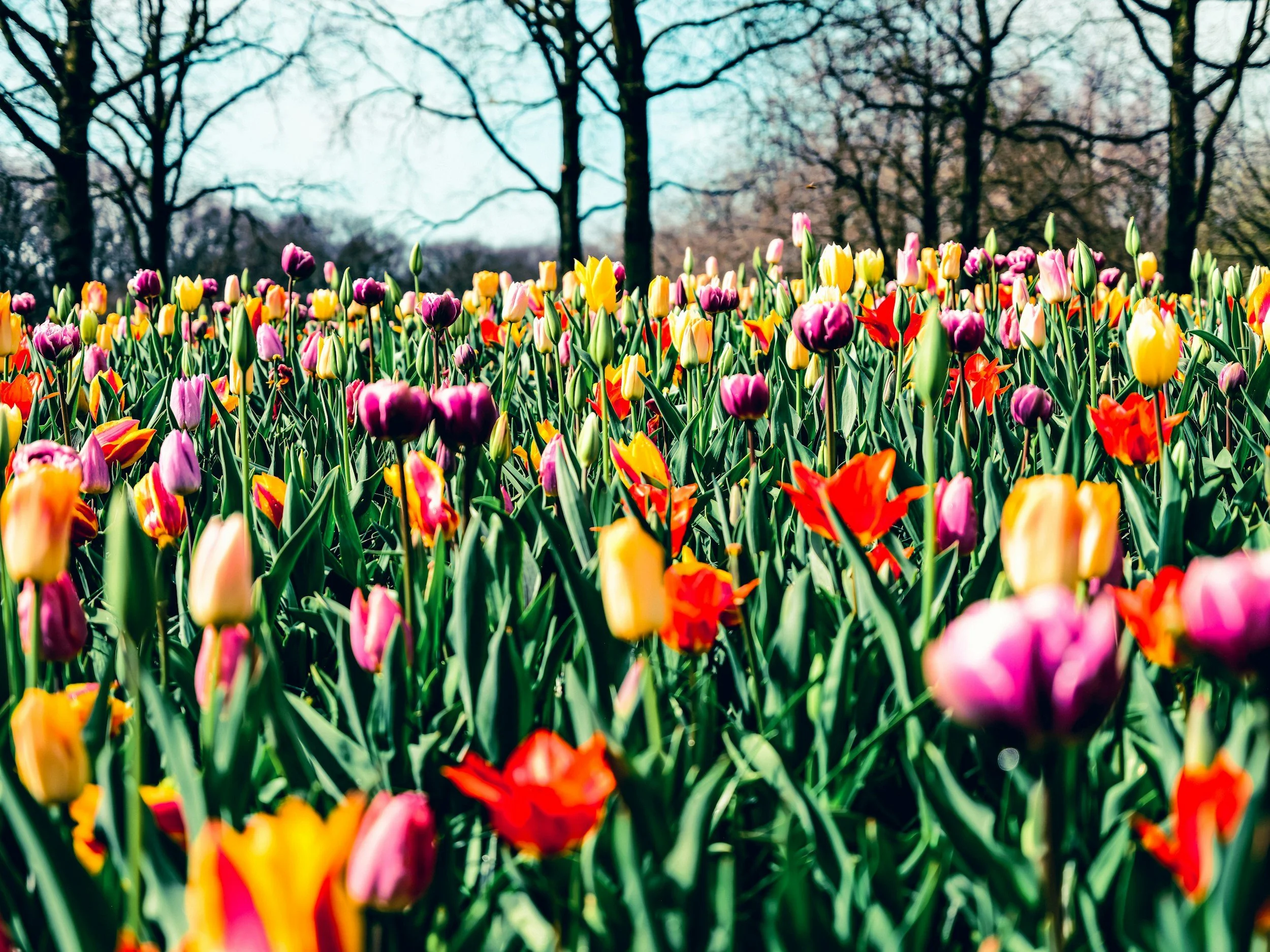
If you still haven't planted your tulip bulbs, there is still time in December and even January, provided the ground isn't frozen.
Lovely things to pick and arrange from your garden in December:
Seed heads, berries and hips: make a wreath using anything you can forage from the garden eg spindle, rosehips, Chinese lanterns, agapanthus and hydrangeas
Bulbs: the first of your indoor bulbs (eg Paperwhite narcissi, hyacinths and amaryllis) start to flower
Tender perennials: chrysanthemums and alstroemerias from under cover.


Fruit
Established blackcurrant plants can now be pruned to allow the young wood, which will bear most of the fruit, to start putting on growth in spring. All the buds that are intact should remain, but in the case of whitecurrants and redcurrants only the top four should be left, removing all the others.
During winter pruning, do not forget to remove mummified fruit that remained on branches, ideally together with a short piece of the spur to which they are attached.
Start pruning apple and pear trees. Cut back the leader branches by a third and remove completely any branches that are crossing and rubbing against each other. Mulch after pruning.
Plant a fruit tree – an apple or pear. Dig a hole twice the size of the rootball and break up the base, adding plenty of organic matter (leaf mould or manure). Plant the tree to the same level as it was previously. As with roses, this ensures the graft is below soil level.
Summer-fruiting raspberries and blackberries need cutting back, tying in etc. Leave autumn-fruiting raspberries until later in the winter.
Tidy strawberry beds, cutting back old foliage and congested runners and removing weeds.

Vegetable Garden
Earth up spring cabbages and other winter brassicas to give them better anchorage in strong winds. Tall growing Brussels are particularly prone to this and may need a strong cane next to them.
Remove yellowing leaves from Brussels sprouts regularly as these can get fungal diseases. Harvest sprouts from the stem upwards.
Continue winter digging so the weather can break down the soil and make preparing seedbeds easier. Cover empty prepared vegetable beds with fleece or clear (not black) plastic, which will warm the soil so it is easier to work.
Prepare a perennial vegetable bed which can be planted up with rhubarb crowns and asparagus crowns.
Harvesting
Here is what you could be picking and eating this time next year.
Brassicas: kale, red and green cabbages and Brussels sprouts
Roots: parsnips, last carrots, beetroot, celeriac (under straw), Jerusalem artichokes and salsify
Salad: all hardy salad leaves eg. rocket, winter purslane, mustards and Florence fennel (under straw)
Leafy greens: chard (may need a cloche) and perpetual spinach
Squash: stored pumpkins and squash
Stems: leeks
Herbs: hardy cut-and-come again herbs (eg parsley, par-cel, coriander, chervil) and evergreens (eg rosemary, sage, bay and winter savory)
If you planted new potatoes in September, then December is the time to start lifting them, making sure you save some for Christmas Day.

Other Jobs
Continue collecting leaves from borders, paths and lawns. Keep them in wire cages or leafmould bags to rot down and produce useful leaf mould.
Clean paths to prevent then becoming slippery and repair sheds, fences and trellises.
Repair lawns if weather conditions allow.
Keep an eye on container plants and bulbs. Do not allow them to dry out after freezing.
Raise potted plants off the ground to prevent them becoming waterlogged.
Water overwintering plants sparingly to avoid the risk of rot. Try not to wet the leaves when watering to avoid fungal diseases developing.
Keep cutting back and clearing up any leaves so that slugs and snails can't shelter beneath them.
Pests may overwinter on plants, so keep an eye out for infestations of greenfly and whitefly and red spider mite which can soon spread.